

The Power of Fashion as Identity
Fashion has long been recognized as a fundamental element of personal and cultural identity. It transcends mere clothing, serving as a potent medium through which individuals express their emotions, beliefs, and societal affiliations. From the early days of tribal garments to contemporary streetwear, fashion reflects not only who we are as individuals but also the larger narratives that shape our societies. Different styles often emerge as a response to social changes, allowing individuals and groups to communicate their values and identities without uttering a single word.
Consider the phenomenon of Gen Z’s embrace of streetwear. This style has garnered attention for its bold graphics, oversized silhouettes, and emphasis on comfort. More than just a trend, streetwear symbolizes a cultural movement characterized by a rejection of traditional fashion hierarchies and an embrace of individuality. For Gen Z, this style serves as a canvas for personal expression, allowing them to showcase their identities and stand in solidarity with various social issues, such as climate change and racial justice.
In contrast, minimalist aesthetics have gained popularity among individuals seeking simplicity and sophistication. This style, marked by clean lines and neutral palettes, often reflects a desire for authenticity in a chaotic world. The choice to dress minimally can convey values such as sustainability, mindfulness, and practicality. It demonstrates how fashion can encapsulate a philosophy of life, influencing the way we perceive ourselves and how we want to be seen by others.
Through fashion, individuals can draw from their cultural heritage, subcultures, and personal experiences to forge a unique identity. Whether through the incorporation of traditional garments or the adoption of modern styles, the choices people make in their clothing can reveal powerful stories. Ultimately, fashion serves as a voice without words, shaping the way we express ourselves and connect with our communities.
Timeless vs. Trending: A Fashion Analysis
Fashion constantly evolves, exhibiting varying trends that shape the way individuals express themselves through their clothing choices. In the contemporary landscape, we see a notable revival of the early 2000s, often referred to as the Y2K trend. This resurgence invites nostalgia while introducing elements such as low-rise jeans, butterfly clips, and vivid colors that resonate with a younger audience eager to embrace this stylistic reimagining. The Y2K fashion insightfully reflects the cyclical nature of trends, where past styles gain renewed popularity, making it essential for modern wardrobes.
In conjunction with these fleeting trends, the concept of capsule wardrobes has emerged as a practical approach to fashion. Aimed at minimizing excess and promoting sustainability, capsule wardrobes typically consist of a limited number of versatile pieces that can be mixed and matched effortlessly. This trend aligns with the growing emphasis on conscious consumerism, as individuals increasingly question fast fashion’s environmental impact. The integration of a few on-trend items within a capsule wardrobe can allow individuals to remain fashionable without compromising their values regarding sustainability.
Conversely, the vitality of timeless fashion pieces cannot be overlooked. Staples such as the classic white shirt, well-fitted denim, and iconic leather jackets have remained essential across generations. These pieces exemplify a blend of versatility and durability, allowing for countless styling opportunities, regardless of changing fashion trends. Incorporating these items alongside trendy pieces fosters a balanced wardrobe, ensuring that one remains stylish while also investing in enduring quality. By understanding the relationship between timeless essentials and current trends, consumers can curate a wardrobe that reflects individuality and thoughtful consumption, successfully navigating the everchanging world of fashion.
Conscious Style: The Rise of Sustainable Fashion
In recent years, sustainable fashion has taken center stage within the apparel industry. As awareness about environmental issues deepens, consumers are increasingly gravitating towards eco-conscious choices that reflect their values. The relationship between fashion and sustainability has evolved, influenced by growing concerns about climate change, pollution, and resource depletion. Designers and brands are now prioritizing strategies that mitigate their environmental impact, leading to innovative methods of producing clothing.
The importance of using eco-friendly materials cannot be overstated. From organic cotton and recycled polyester to innovative fabrics derived from waste materials, the shift towards sustainable materials is crucial for reducing the industry’s carbon footprint. Brands are now experimenting with biodegradable and sustainable textile options, creating garments that are not only stylish but also kinder to the planet. This conscientious approach serves to educate consumers about the material lifecycle and encourages informed purchasing decisions.
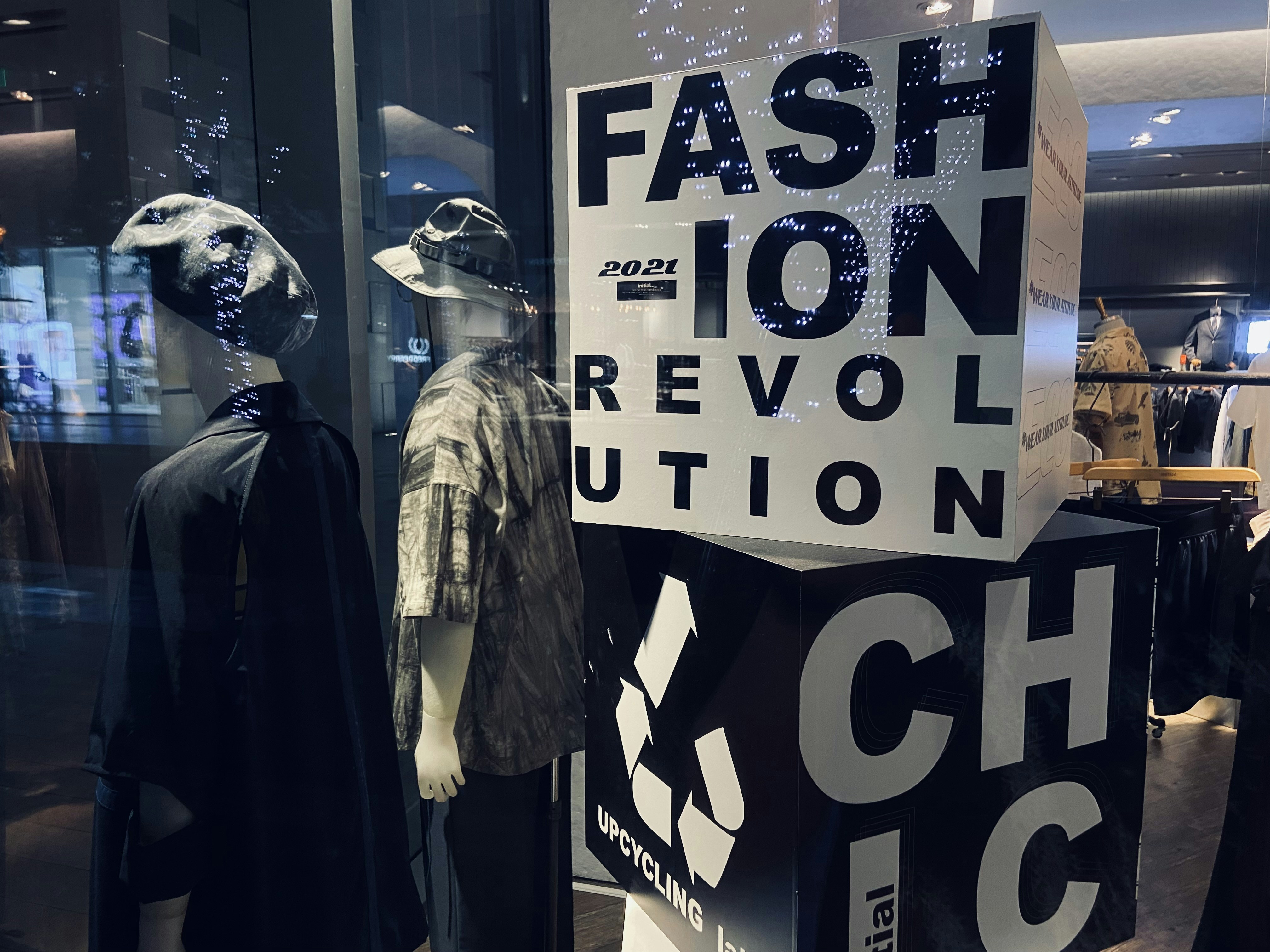
Additionally, the trend of thrifting and upcycling is gaining momentum as fashion enthusiasts seek unique finds while promoting sustainability. Thrift stores and online resale platforms are teeming with opportunities for consumers to discover pre-loved items, extending the life cycle of fashion pieces. Upcycling goes a step further, transforming old clothing into new, desirable items. This practice not only reduces waste but also fosters creativity, allowing individuals to express their unique style in an environmentally responsible way.
The emergence of slow fashion brands has further accentuated this conscious change in the industry. These brands emphasize quality over quantity, advocating for ethical production practices and transparent supply chains. By embracing slow fashion, consumers are encouraged to invest in timeless pieces rather than fast fashion gimmicks that contribute to waste. As awareness of sustainable fashion continues to grow, it is essential for consumers to make thoughtful choices that contribute to a more sustainable future in the fashion sector.
Fashion as a Form of Storytelling
Fashion transcends mere aesthetics; it serves as a powerful medium for storytelling, allowing individuals to express their identities and communicate nuanced messages without spoken language. Each piece of clothing carries its own history, embodying the cultural, social, and economic contexts of its time. Historical garments often reflect significant societal changes, such as the flapper dresses of the 1920s that symbolized women’s liberation, or the utilitarian designs seen during wartime, which illustrate the necessity for functionality over fashion. Through its evolving nature, fashion encapsulates the human experience, weaving narratives that resonate across generations.
In addition to historical significance, fashion allows for personal storytelling. Each individual infuses their attire with unique meanings and memories, drawing from their background, experiences, and aspirations. A vintage dress may evoke nostalgia, while modern streetwear can signify rebellion and youth culture. The stories told through our clothing choices become a form of non-verbal communication, reflecting our moods, values, and beliefs. Style becomes an extension of the self; it’s a canvas on which one can paint their individuality, showcasing not just trends but personal narratives.
Moreover, fashion acts as a dialogue between the wearer and the world. The way one dresses can challenge societal norms, provoke thought, or inspire connection among like-minded individuals. The art of combining colors, patterns, and accessories transforms clothing into a narrative device that speaks volumes. In a society increasingly framed by visual communication, the impact of fashion as storytelling becomes even more pronounced, encouraging individuals to see their clothing choices as integral to their broader life narrative. In this light, fashion emerges not just as clothing but as a voice that resonates through the fabric of our lives.