

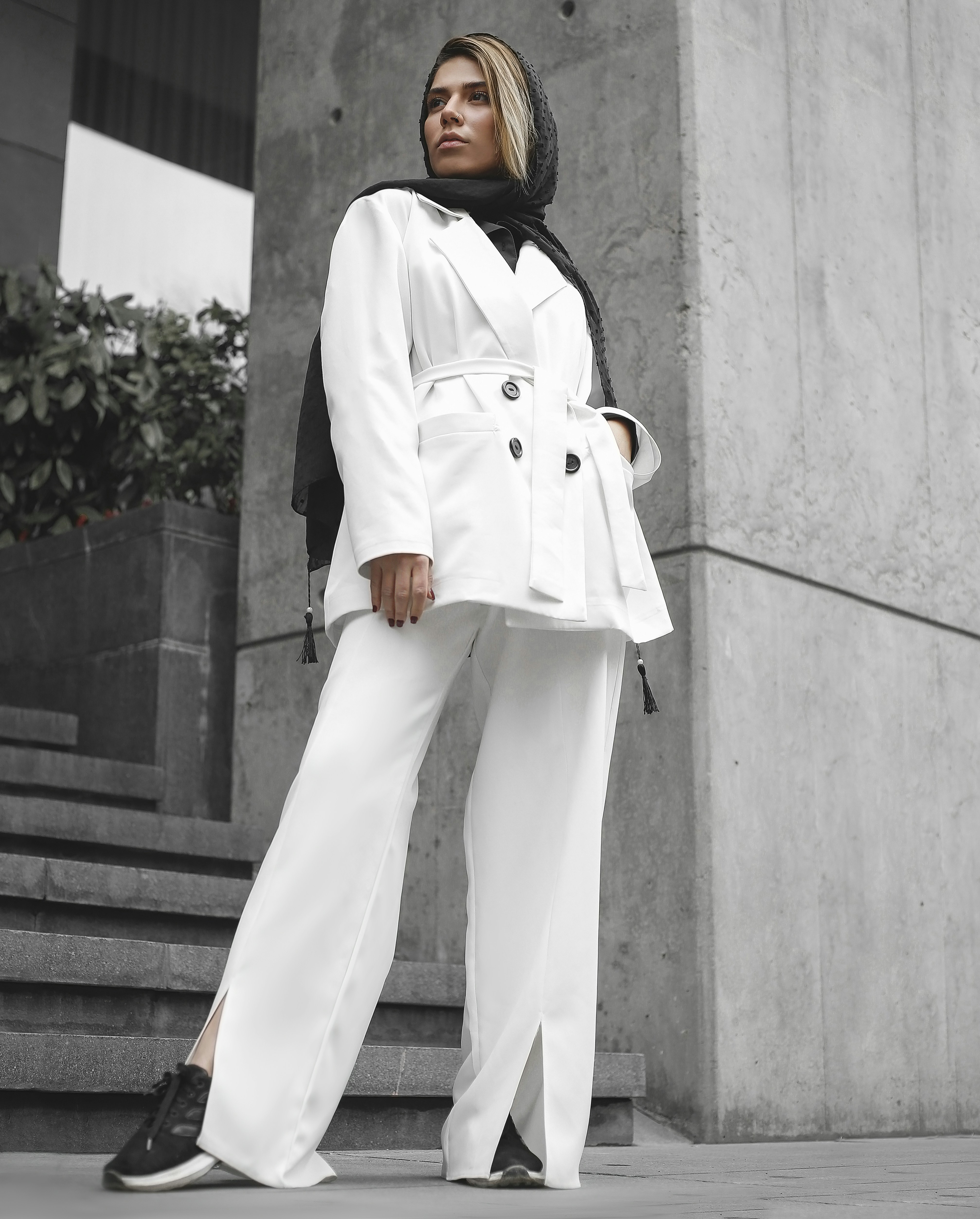
The Transformative Impact of Outfit Choices
Consider a moment when you slipped into an outfit that made you feel invincible. Perhaps it was a sharp business suit before an important meeting or a flowy dress at a summer gathering. Such occasions illustrate the remarkable influence our clothing choices can have on our mood and self-perception. When we dress, we are not merely putting on fabric; we are creating a narrative about who we are, who we aspire to be, and how we want to engage with the world around us. Fashion serves as a silent language, conveying emotions and identity without uttering a word.
Certain outfits can evoke specific emotions, shifting our mindset dramatically. For instance, donning athletic wear can inspire feelings of energy and motivation, propelling us toward physical activity. Conversely, slipping into comfortable loungewear may foster a sense of relaxation and ease after a long day. Even subtle elements, such as color psychology, play a significant role; for example, warm colors like red and orange can elicit excitement and confidence, while cooler hues such as blue often promote calmness and tranquility.
The influence of clothing extends beyond personal feelings; it impacts how others perceive us as well. An ensemble that aligns with our unique style reinforces our identity and allows for a confident expression in various contexts. When we curate our wardrobes intentionally, we send messages about our values, interests, and experiences. These choices also empower us—the right outfit can provide the push needed to tackle challenges, engage in social interactions, or embrace new opportunities. Ultimately, outfit choices encapsulate much more than aesthetic appeal; they serve as tools for self-expression and pathways to enhance our daily lives.
Fashion as a Reflection of Identity and Culture
Fashion is an intrinsic aspect of human life that transcends mere utility and extends into the realms of identity and culture. Clothing has the power to convey who we are and signify our values, beliefs, and heritage. Each piece we wear is laden with meaning, reflecting both personal choices and broader societal narratives. As such, fashion serves not only as a marker of individual style but also as a canvas upon which cultural identity is expressed.
Across different regions and communities, fashion acts as a vehicle for cultural expression. Traditional garments often embody history and societal traditions, allowing wearers to connect with their ancestral roots. In contemporary fashion, elements such as patterns, fabrics, and silhouettes can encapsulate cultural narratives, enabling individuals to showcase their heritage or solidarity with particular movements. This merging of personal and cultural identity in fashion fosters a sense of belonging and community, as individuals proudly embrace attire that resonates with their cultural roots.
Moreover, the evolution of fashion trends frequently reflects broader societal changes. As cultures intersect and interact, their influences coalesce to create new styles that honor diverse backgrounds while simultaneously pushing the boundaries of conventional norms. For instance, the blending of streetwear and high fashion not only illustrates adaptability but also highlights a global dialogue. This dialogue encompasses themes of empowerment, representation, and inclusivity, raising awareness about social issues through clothing.
In a world where fashion is increasingly viewed as a form of self-expression, the power of what we wear extends beyond aesthetic appeal. Our clothing choices carry messages about our identities, ethical beliefs, and cultural affiliations. As such, understanding the intersection of culture and fashion enables us to appreciate the complex narratives woven into the fabric of society, standing as a testament to humanity’s rich tapestry of identities.
The Psychology of Fashion: Colors, Fabrics, and Silhouettes
The intricate relationship between fashion and psychology is an area that continues to gain interest, signifying that what we wear can significantly influence our emotions and ultimately shape our daily experiences. Each element of our attire, from colors to fabrics and silhouettes, can evoke distinct emotional responses, thus impacting our mood and productivity levels.
Colors play a pivotal role in our perception and emotional state. For instance, warm hues like red and orange are often associated with feelings of excitement and energy, whereas cool tones, such as blue and green, can induce calmness and serenity. This phenomenon, sometimes referred to as “dopamine dressing,” emphasizes the notion that selecting outfits in accordance with these psychological principles can uplift one’s mood. When individuals wear colors that resonate positively with them, they may find themselves more motivated and productive throughout the day.
Fabrics also offer a unique sensory experience that can affect emotional well-being. The texture of clothing—whether soft, rough, light, or heavy—can influence comfort levels and, as a result, our mental state. Fabrics that feel good against the skin can enhance feelings of confidence, making individuals more likely to engage positively with their surroundings. In contrast, uncomfortable materials might distract from one’s focus, inhibiting productivity.
Silhouettes contribute to this psychological landscape as well. The cut and shape of clothing can project authority or approachability, impacting how one is perceived in social or professional settings. For example, tailored outfits may exude confidence and professionalism, while loose-fitting garments can impart comfort and ease. By thoughtfully selecting styles that align with personal goals and emotional health, individuals can consciously curate their wardrobes, influencing both self-expression and well-being.
Building a Sustainable and Expressive Wardrobe
Creating a wardrobe that reflects personal style while prioritizing sustainability is both a thoughtful endeavor and a meaningful contribution to the fashion landscape. Instead of succumbing to fast fashion trends that quickly fade, individuals can focus on curating a collection of timeless pieces that resonate with their unique identity. This approach not only fosters self-expression but also minimizes environmental impact.
To begin this journey, consider assessing your current wardrobe. Take a moment to reflect on which items you most frequently wear and feel genuinely connected to. Identify pieces that align with your lifestyle and values, keeping in mind the stories they tell about you. Embracing personal style means celebrating individuality over conforming to fleeting trends, allowing for a more authentic representation of who you are.
When adding new items to your collection, prioritize sustainability. Look for brands committed to ethical practices, using eco-friendly materials, and ensuring fair labor conditions. Investing in quality clothing made from sustainable resources ensures longevity, reducing the need for frequent replacements. Emphasizing timeless garments—such as a classic trench coat or a well-tailored pair of trousers—brings versatility to your wardrobe and allows for varied styles without constant purchasing.
Consider second-hand shopping as an eco-conscious alternative to buying new. Thrift stores often carry unique finds that can enhance your wardrobe while promoting recycling and reducing waste. Additionally, engaging with community swaps or clothing exchanges can foster creativity and build connections with others who share similar fashion values.
Ultimately, as you make conscious choices about your clothing, take the time to reflect on how each piece contributes to your identity. Dress intentionally, embracing the power of fashion not just as a form of expression but as a means to advocate for sustainability and authenticity in your everyday life.
It is so educative.